What’s the Right Printing Method for Your Project?
When it comes to producing high-quality printed materials, two dominant technologies stand out: offset printing and digital printing. Each method has its advantages, limitations, and ideal use cases. Whether you’re printing business cards, brochures, books, or packaging, Day & Night will help you understand the differences between offset and digital printing and guide you in choosing the right process for your project.

What Is Offset Printing?
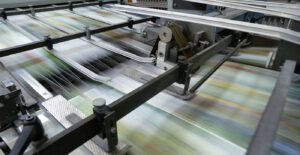
Offset printing, also known as offset lithography, is a traditional printing method that uses metal plates to transfer an image onto a rubber blanket, which then applies the image to paper. Each color in the design requires a separate plate—usually for cyan, magenta, yellow, and black (CMYK).
Pros of Offset Printing
- High Image Quality: Produces sharp, clean, and professional-quality images and text.
- Cost-Efficient for Large Runs: While setup costs are high, the cost per unit decreases significantly as volume increases.
- Color Accuracy and Consistency: Offers precise color matching with Pantone and spot colors.
- Wide Range of Paper and Ink Options: Compatible with various paper types, finishes, and special inks (e.g., metallics, fluorescents).
Cons of Offset Printing
- High Setup Costs and Longer Lead Time: Requires plate creation and press setup, making it inefficient for short runs or quick turnarounds.
- Less Economical for Low Volumes: Small print jobs can be cost-prohibitive due to setup costs.
- Not Ideal for On-Demand or Variable Data Printing: Changing content (like personalized mailers) requires a new setup.
What Is Digital Printing?
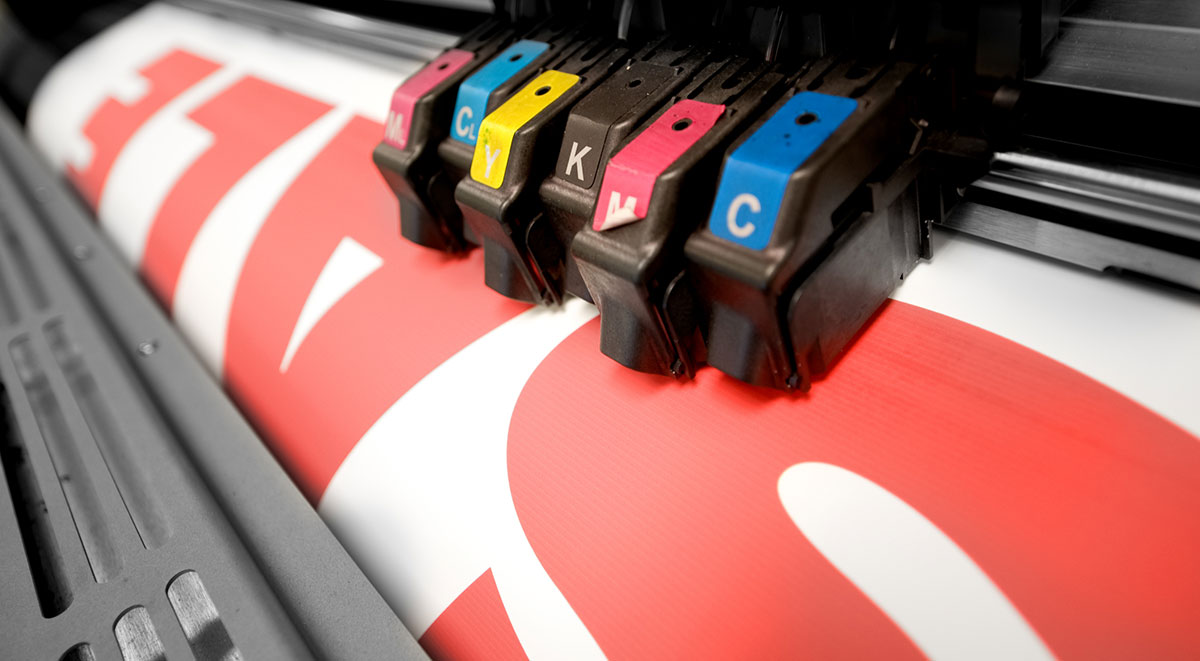
Digital printing is a modern method that directly applies ink or toner onto paper using digital files (like PDFs or JPEGs). No physical plates are required, which allows for quicker setup and faster delivery.
Pros of Digital Printing
- Quick Turnaround: Ideal for last-minute jobs or tight deadlines.
- Cost-Effective for Short Runs: No plate or setup costs make it perfect for small quantities.
- Variable Data Printing: Easily handles personalized content, such as names, addresses, or QR codes.
- On-Demand Capability: Print only what you need, reducing waste and storage requirements.
- Print virtually any size: from small jobs, to huge mural graphics, digital printing can handle it all.
Cons of Digital Printing
- Higher Cost per Unit for Large Runs: Becomes more expensive than offset at higher volumes.
- Limited Color Matching: May not perfectly reproduce Pantone or specialty colors.
- Fewer Paper and Finish Options: Some digital printers have limitations on paper weight and specialty coatings.
Quick Comparison Table
| Feature | Offset Printing | Digital Printing |
|---|---|---|
| Setup Time | Longer | Short |
| Ideal for | Large volumes | Small to medium runs |
| Color Accuracy | Excellent, Pantone matching possible | Good, but limited Pantone matching |
| Image Quality | Highest quality | High, but slightly less precise |
| Variable Data Support | Not suited | Excellent |
| Cost per Unit (Low Volume) | High | Low |
| Cost per Unit (High Volume) | Low | High |
| Turnaround Time | Slower | Faster |
| Paper and Finish Options | Extensive | Limited (varies by printer) |
Which One Should You Choose?
In summary:
- Go with offset printing if you’re producing a high-volume job, need precise color matching, or require specialized paper and inks.
- Choose digital printing if you need a fast turnaround, are printing a small quantity, large-format, or require personalized content.
Both methods have a place in today’s printing landscape, and Day & Night also offers hybrid solutions to leverage the strengths of both. By understanding the pros and cons of each, you can make a more informed choice that aligns with your goals, budget, and timeline. At Day & Night, we’ve seen it all, and have the experience and expertise to know which method is right for every project. Let’s talk about your next project!